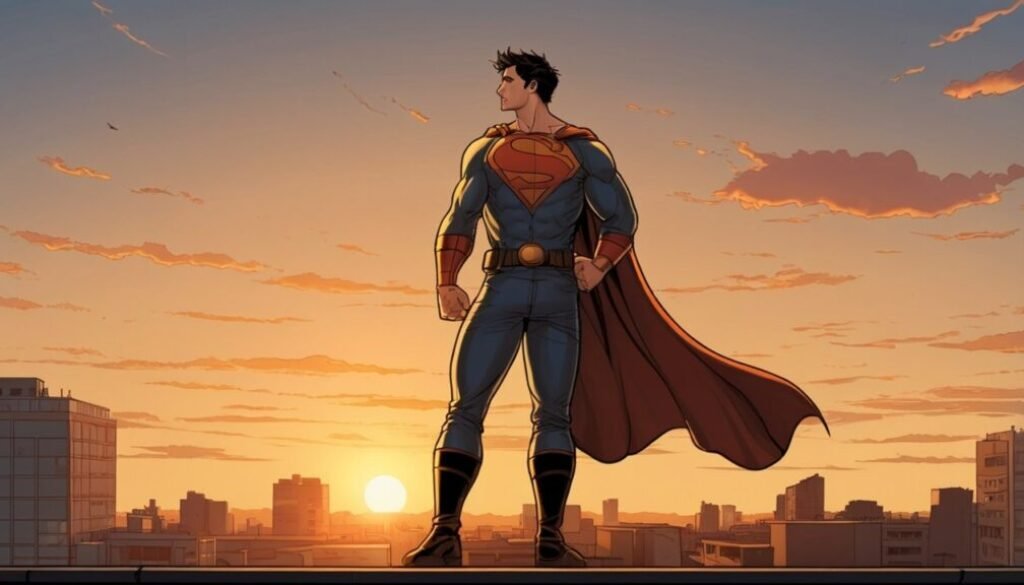
Comic Book Cover: 10 Secrets That Grab Attention

Ever picked up a comic just because the comic book cover instantly grabbed your attention? That’s no coincidence. A well-designed comic book cover can make the difference between someone flipping past your work or diving straight into your story. In today’s visually driven world, your cover isn’t just art—it’s your first impression, your branding, and your silent sales pitch.

Whether you’re an aspiring artist or an experienced creator, understanding comic cover design and visual storytelling is essential. A powerful comic book cover communicates emotion, action, and intrigue in a single glance, helping your work stand out in a crowded market. From bold colors to dynamic character poses, every detail plays a role in capturing your audience’s curiosity.

More importantly, with digital platforms growing fast, your comic book cover also needs to shine as a thumbnail and attract clicks online. So, how do you create a cover that truly stands out and connects with readers?

Let’s dive into the key elements that make a comic book cover unforgettable.
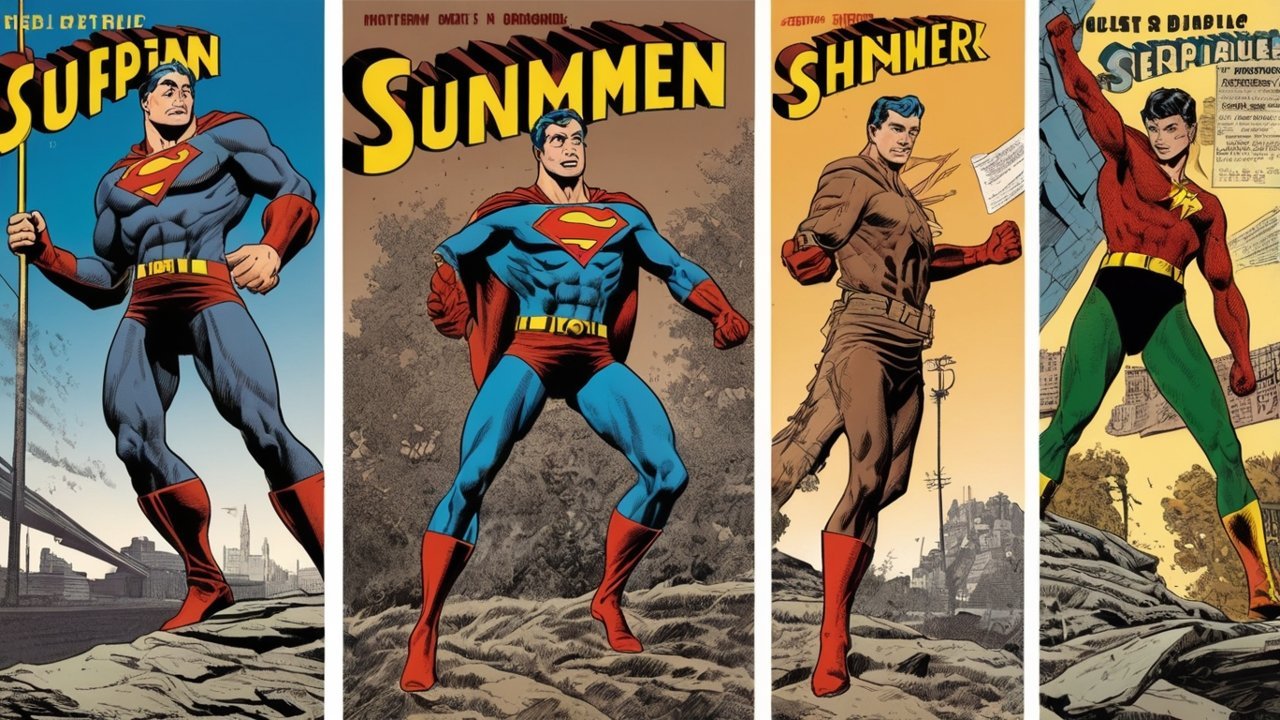
comic book cover first impression example

Chapter 1: Why a Comic Book Cover Matters for Success

A comic book cover is more than just artwork—it’s your first chance to connect with a reader. In a crowded digital marketplace, people often decide within seconds whether to click or scroll past. According to insights from Statista, visual content significantly influences purchasing behavior, especially in creative industries like publishing and design. That means your cover isn’t optional—it’s essential.

Think of it this way: even the most brilliant story can go unnoticed if the cover fails to spark curiosity. Whether you’re publishing online or in print, your comic book cover acts as a visual handshake, inviting readers into your world.

First Impressions and Comic Book Cover Psychology

Humans are visual by nature. Studies highlighted by Harvard Business Review show that people form impressions within milliseconds. Your comic book cover needs to communicate genre, tone, and excitement instantly.

A strong cover typically includes:

  • A clear focal point (hero, villain, or dramatic scene)
  • High contrast colors that grab attention
  • Emotion-driven expressions or action

For example, imagine browsing dozens of comics online. Which one stands out? The one with bold visuals, clear storytelling, and a strong emotional hook.

If you’re unsure how to structure your design, you can explore professional guidance like this brand style guide breakdown to align your visuals with a consistent identity.

How a Comic Book Cover Impacts Sales and Branding

A compelling comic book cover directly affects conversions. It’s not just about aesthetics—it’s about results.

Let’s compare two common approaches:

Approach Outcome
DIY amateur cover Low engagement, fewer clicks
Professional cover design Higher CTR, stronger brand recall

Many creators underestimate how much a polished design can boost sales. A professionally crafted cover builds trust and signals quality.

If you’re debating whether to hire help, it’s worth reviewing this comparison: Fiverr vs design agency cost breakdown. In most cases, freelancers offer a more flexible and affordable service without sacrificing quality.

👉 For creators who want a best solution without overspending, you can Check out the best solution on Fiverr and see what top-rated illustrators are offering.

Comic Book Cover as a Branding Tool

Your cover isn’t just for one issue—it’s part of your long-term brand. Think about iconic comics. Their covers are instantly recognizable.

Consistency matters:

  • Use similar color schemes across issues
  • Maintain character design accuracy
  • Keep typography aligned with your brand

If you’re building a series, learning from resources like logo and brand identity design strategies can help you stay visually consistent.

Freelancer vs Traditional Hiring for Comic Covers

When it comes to creating a standout comic book cover, you have two main options:

1. Traditional Design Agencies

  • Higher cost
  • Longer turnaround time
  • Less flexibility

2. Freelancers (e.g., Fiverr)

  • More affordable service
  • Direct communication
  • Faster delivery

For beginners or indie creators, freelancers are often the smarter choice. You get access to global talent without the heavy price tag.

👉 If you’re ready to elevate your comic, you can See pricing and reviews directly on Fiverr and choose a recommended tool that fits your budget.

Real-World Insight: What Successful Creators Do Differently

Successful comic creators don’t treat the cover as an afterthought. They invest time (or budget) into making it visually irresistible.

Here’s what they focus on:

  • Clear storytelling in one image
  • Strong character presence
  • Clean, readable title design

They also test how their comic book cover looks in smaller sizes, especially for online platforms. This ensures it performs well as a thumbnail—where most clicks happen.

In short, your comic book cover is your most powerful marketing asset. Get it right, and everything else becomes easier—from attracting readers to building a loyal fanbase.
comic book cover composition with main character focus

Chapter 2: Key Elements of a Powerful Comic Book Cover

Creating a compelling comic book cover isn’t just about drawing skills—it’s about combining visual storytelling with smart design choices. The most successful covers grab attention instantly while clearly communicating the story’s tone and genre.

According to Harvard Business Review, visual clarity and emotional impact are key drivers of engagement. That’s why every element on your cover must serve a purpose. Let’s break down the essential components that make a comic book cover truly powerful.

Compelling Characters and Comic Book Cover Composition

At the heart of every great comic book cover is a strong character presence. Readers want to connect with a hero, villain, or central figure right away.

Your composition should:

  • Place the main character as the focal point
  • Use dynamic poses to show action or emotion
  • Guide the viewer’s eye naturally across the design

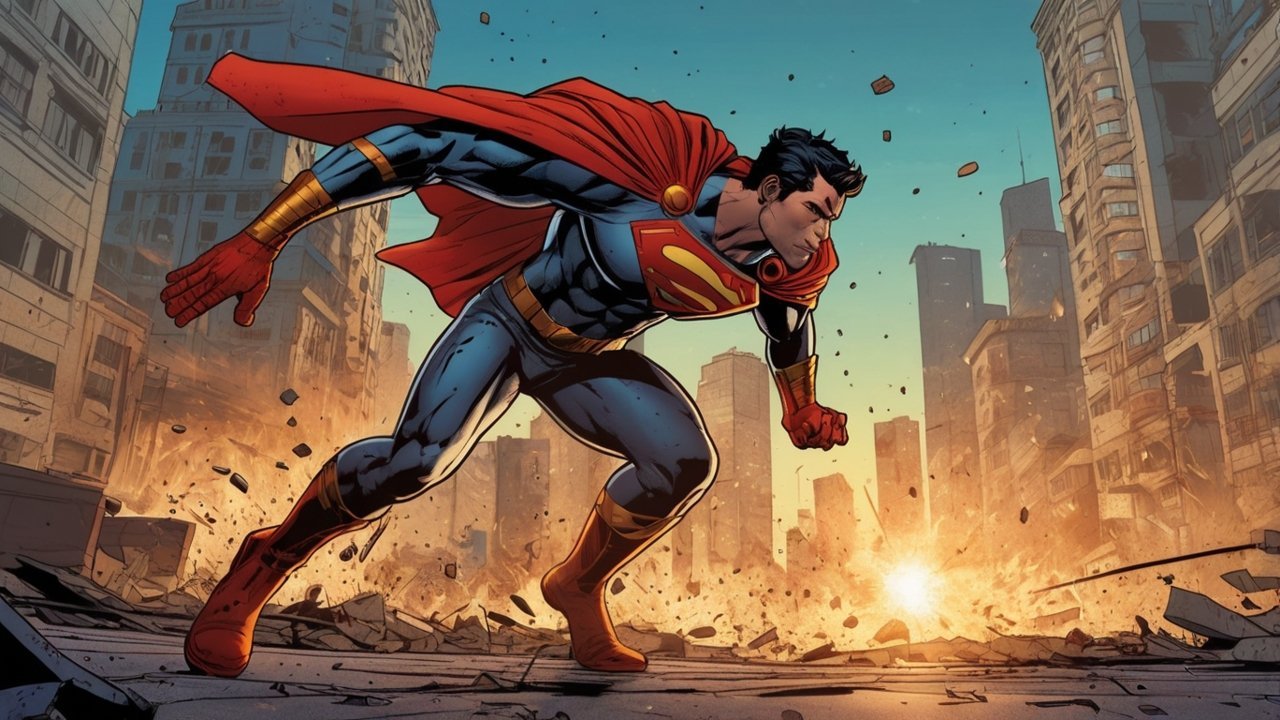
For example, a superhero mid-action instantly creates excitement, while a close-up face can build emotional depth. This technique is widely used in high-performing covers because it creates an immediate connection.

If you’re still learning composition basics, this guide on how to make a book cover offers practical tips that also apply to comics.

👉 If you want a best solution without trial and error, you can Discover this affordable service and get started today and work with experienced comic artists.

Typography and Title Placement in Comic Book Cover Design

Typography is often overlooked, but it plays a huge role in how your comic book cover is perceived. Your title should be readable, bold, and aligned with your genre.

Key tips include:

  • Use large, high-contrast fonts
  • Avoid overly decorative or hard-to-read styles
  • Place the title where it doesn’t block key visuals

Think about iconic comics—their titles are instantly recognizable. That’s not by accident. It’s the result of consistent design and strong branding.

To build a cohesive look, you can learn from this brand style guide examples resource, which explains how typography fits into overall design systems.

Color Theory and Emotional Impact in Comic Book Covers

Color is one of the most powerful tools in a comic book cover. It sets the mood before a single word is read.

Different colors trigger different emotions:

  • Red → action, danger, urgency
  • Blue → calm, trust, heroism
  • Yellow → energy, excitement

A well-balanced color palette can make your cover pop, especially in digital thumbnails. According to Statista, vibrant visuals significantly increase click-through rates in online content.

However, avoid overloading your design with too many colors. Simplicity often wins.

Balancing Visual Elements for a Professional Comic Book Cover

A strong comic book cover isn’t crowded—it’s balanced. Every element should work together harmoniously.

Common mistakes include:

  • Too many characters competing for attention
  • Overuse of effects or textures
  • Lack of clear hierarchy

Instead, aim for:

  • One clear focal point
  • Supporting elements that enhance, not distract
  • Clean spacing for readability

If you’re unsure whether your design feels balanced, comparing professional work can help. This detailed guide on book cover design ideas shows what works in real-world examples.

DIY vs Hiring Experts for Comic Book Cover Design

Many creators start by designing their own covers. While this can work, it often takes time to master all elements—composition, typography, and color.

Let’s compare:

Option Pros Cons
DIY Design Full control, low cost Steep learning curve
Hiring Freelancers Professional quality, faster results Small investment required

For creators serious about growth, hiring a freelancer is often the smarter move. You get access to specialized skills without the overhead of an agency.

👉 To save time and get a recommended tool, you can Check out the best solution on Fiverr and find an affordable service tailored to your needs.

Real-World Example: What Makes a Cover Convert

Imagine two comic creators launching similar stories.

  • Creator A uses a cluttered, low-contrast design
  • Creator B uses a clean, bold, professionally designed comic book cover

Who gets more clicks? Almost always Creator B.

Why? Because clarity and emotional impact win.

If you want deeper insights into hiring creative professionals, this resource on hiring Fiverr experts can guide you step-by-step.

In short, mastering these key elements will dramatically improve your comic’s visibility and appeal. When done right, your comic book cover becomes more than art—it becomes a powerful marketing tool that drives real results.

Comic Book Cover: 10 Secrets That Grab Attention

Antonio G is a Top Rated Fiverr illustrator specializing in custom book cover illustrations and artistic designs. With strong experience in illustration and visual storytelling, they create unique, eye-catching artwork that helps authors bring their stories to life, stand out in the market, and attract more readers.

Chapter 3: Popular Styles in Comic Book Cover Design

When it comes to creating a standout comic book cover, style plays a huge role in how your audience perceives your story. Different styles communicate different emotions, genres, and expectations. Choosing the right one can instantly attract your target readers and improve engagement.

According to Statista, visual trends evolve rapidly, especially in digital media. That means staying updated with popular styles isn’t just creative—it’s strategic. Let’s explore the most effective comic book cover styles and how you can use them to your advantage.

Classic Vintage Comic Book Cover Style

The vintage style is timeless. It draws inspiration from early comic eras, often featuring bold outlines, halftone textures, and dramatic captions.

Key characteristics include:

  • Retro color palettes (reds, yellows, blues)
  • Exaggerated expressions and action scenes
  • Classic typography with nostalgic appeal

This style works well for:

  • Superhero genres
  • Humor or parody comics
  • Retro-themed storytelling

Many creators use vintage aesthetics to evoke nostalgia while still appealing to modern audiences. If you want to maintain consistency across your designs, learning from a brand style guide can help you define a clear visual direction.

👉 Not confident recreating vintage styles? You can Check out the best solution on Fiverr and hire artists who specialize in retro comic designs.

Modern Minimalist Comic Book Cover Design

Minimalism has become increasingly popular, especially in digital publishing. A minimalist comic book cover focuses on simplicity, clarity, and strong visual hierarchy.

Typical features:

  • Clean layouts with lots of negative space
  • Limited color palette
  • One strong focal element

This style is effective because it:

  • Stands out in crowded feeds
  • Works well as thumbnails
  • Feels modern and professional

For indie creators, minimalist covers are often easier to execute while still looking polished. You can explore examples in this book cover design ideas guide to see how simplicity can drive results.

Action-Packed Comic Book Cover Style

If your story is full of energy, this style is a perfect match. Action-packed covers are dynamic, dramatic, and visually intense.

They typically include:

  • Explosions, movement, or combat scenes
  • Diagonal compositions for motion
  • High-contrast lighting and shadows

These covers are designed to:

  • Create urgency
  • Build excitement
  • Draw immediate attention

According to Harvard Business Review, high-energy visuals increase emotional engagement, which directly impacts user decisions. That’s why blockbuster comics often rely on this style.

👉 If you want a recommended tool to achieve this level of detail, you can See pricing and reviews directly on Fiverr and collaborate with experts in dynamic comic art.

Hybrid and Experimental Comic Book Cover Styles

Modern creators are no longer limited to one style. Many successful covers blend multiple approaches to create something unique.

Examples include:

  • Mixing vintage textures with modern layouts
  • Combining hand-drawn art with digital effects
  • Using AI-assisted enhancements

This hybrid approach allows you to:

  • Stand out from competitors
  • Build a unique brand identity
  • Adapt to evolving trends

If you’re experimenting with styles, this resource on AI tools and design trends can give you fresh ideas.

Choosing the Right Comic Book Cover Style for Your Audience

Not every style works for every audience. Choosing the right comic book cover depends on your genre and reader expectations.

Here’s a quick guide:

Genre Recommended Style
Superhero Action-packed
Horror Dark, high-contrast
Comedy Bright, exaggerated
Indie/Art Minimalist or experimental

Understanding your audience is key. A mismatch between style and story can confuse readers and reduce engagement.

Freelancer vs DIY Style Execution

While experimenting with styles is exciting, executing them professionally can be challenging.

DIY Approach:

  • Great for learning
  • Lower cost
  • Time-consuming

Freelancer Approach:

  • Faster results
  • Higher quality
  • Access to specialized styles

For creators who want consistent results, freelancers are often the smarter investment.

👉 To save time and get an affordable service, you can Discover this affordable service and get started today and work with artists who match your preferred style.

Real-World Insight: Why Style Consistency Wins

Successful comic creators don’t switch styles randomly. They build a recognizable look over time.

This helps:

  • Strengthen brand identity
  • Build audience trust
  • Increase long-term engagement

If you’re planning a series, consistency is just as important as creativity.

In summary, choosing the right style for your comic book cover is a strategic decision. It shapes how readers perceive your story and determines whether they click, buy, or scroll past.

comic book cover sketching process step by step

Chapter 4: Step-by-Step Process to Create a Comic Book Cover

Designing a compelling comic book cover doesn’t happen by accident—it’s a structured process that blends creativity with strategy. Whether you’re a beginner or an experienced creator, following a clear workflow can dramatically improve your results.

According to Harvard Business Review, structured creative processes lead to more consistent and high-quality outcomes. That’s especially true in design, where planning and execution must work together seamlessly.

Let’s break down the step-by-step process you can follow to create a professional comic book cover.

Brainstorming Ideas for Your Comic Book Cover

Every great comic book cover starts with a strong concept. This is where you decide what story your cover will tell in a single image.

Ask yourself:

  • Who is the main character?
  • What emotion should the cover evoke?
  • What moment best represents the story?

For example, a suspense comic might show a shadowy figure, while a superhero comic might highlight an intense battle scene.

If you’re struggling with ideas, reviewing examples like this comic and book cover inspiration guide can help spark creativity.

👉 If you want a faster and more recommended tool, you can Check out the best solution on Fiverr and collaborate with experienced illustrators who can turn your ideas into reality.

Sketching and Layout for a Strong Comic Book Cover

Once you have a concept, the next step is sketching. This is where you plan your layout and composition.

Focus on:

  • Positioning the main character
  • Leaving space for the title and text
  • Creating a clear visual hierarchy

Your sketch doesn’t need to be perfect. It’s a blueprint that helps you test ideas quickly.

A helpful tip is to create multiple rough sketches before choosing one. This allows you to compare different compositions and pick the most impactful design.

If you want to understand layout principles better, this guide on what content should be included on a website shares similar visual hierarchy concepts used in design.

Choosing Between Digital and Traditional Comic Book Cover Creation

At this stage, you’ll decide how to bring your comic book cover to life.

Traditional Method:

  • Hand-drawn illustrations
  • Unique textures and authenticity
  • Requires scanning and editing

Digital Method:

  • Easier edits and revisions
  • Faster workflow
  • Compatible with modern publishing

According to Statista, digital tools dominate creative workflows due to flexibility and efficiency. That’s why most professional designers today prefer digital illustration.

Coloring and Finalizing Your Comic Book Cover Design

Coloring is where your cover truly comes alive. This step adds emotion, depth, and visual appeal.

Best practices include:

  • Using a limited, consistent color palette
  • Applying lighting and shadows for depth
  • Ensuring strong contrast for readability

Avoid overcomplicating your design. A clean and focused comic book cover often performs better than a cluttered one.

If you’re unsure how to achieve professional results, comparing expert work can help. This resource on Fiverr book cover designers offers insights into what professionals deliver.

👉 To save time and get an affordable service, you can See pricing and reviews directly on Fiverr and choose a best solution that fits your needs.

Testing and Optimizing Your Comic Book Cover for Better Results

Before publishing, test your comic book cover in different formats.

Check how it looks:

  • As a thumbnail (very important for online platforms)
  • On mobile screens
  • In black and white

Small adjustments—like increasing contrast or simplifying details—can significantly improve performance.

If you want to go deeper into optimization strategies, this guide on SEO and visual optimization can help you understand how visuals impact clicks and engagement.

DIY vs Hiring Professionals for Faster Results

Many creators try to handle everything themselves. While this works for learning, it can slow down your progress.

DIY Approach:

  • Full creative control
  • No upfront cost
  • Time-intensive

Hiring Professionals:

  • Faster turnaround
  • Higher-quality results
  • Access to expert skills

If your goal is growth and visibility, outsourcing is often the smarter move.

👉 To streamline your workflow and use a recommended tool, you can Discover this affordable service and get started today and work with skilled comic designers.

Real-World Example: From Idea to Finished Cover

Imagine a creator launching a new comic series.

  • Step 1: They brainstorm a dramatic hero reveal
  • Step 2: Sketch multiple layouts
  • Step 3: Choose digital tools for flexibility
  • Step 4: Apply bold colors and lighting
  • Step 5: Test the design as a thumbnail

The result? A polished comic book cover that attracts clicks and builds interest.

In summary, following a structured process ensures your comic book cover is not only visually appealing but also effective in attracting readers and driving engagement.

Comic Book Cover: 10 Secrets That Grab Attention

Antonio G is a Top Rated Fiverr illustrator specializing in custom book cover illustrations and artistic designs. With strong experience in illustration and visual storytelling, they create unique, eye-catching artwork that helps authors bring their stories to life, stand out in the market, and attract more readers.
digital tools for comic book cover creation

Chapter 5: Best Tools for Designing a Comic Book Cover

Creating a professional comic book cover requires more than creativity—you also need the right tools. The software and equipment you choose can significantly impact your workflow, efficiency, and final quality.

According to Statista, digital design tools have become the industry standard due to their flexibility and speed. Whether you’re a beginner or a seasoned artist, using the right combination of tools can make your process smoother and your results more polished.

Digital Software for Comic Book Cover Design

Digital software is the backbone of modern comic book cover creation. These tools allow you to sketch, color, and refine your designs with precision.

Popular options include:

  • Adobe Photoshop (advanced editing and painting)
  • Clip Studio Paint (ideal for comic artists)
  • Procreate (great for iPad users)

Each tool has its strengths. For example, Clip Studio Paint is widely used for comic-specific features like panel layouts and inking tools.

If you’re unsure which platform suits your workflow, this guide on best design and content tools can help you compare options.

👉 If learning complex tools feels overwhelming, you can skip the learning curve and Check out the best solution on Fiverr and work with professionals who already master these tools.

Drawing Tablets and Hardware for Comic Book Covers

While software is important, hardware also plays a key role in creating a high-quality comic book cover.

Essential tools include:

  • Drawing tablets (Wacom, Huion, XP-Pen)
  • Stylus with pressure sensitivity
  • High-resolution monitors for color accuracy

A good tablet allows for smoother lines and better control, especially when creating detailed illustrations.

For beginners, entry-level tablets are often enough. As your skills grow, upgrading your setup can improve both speed and precision.

Free vs Paid Tools for Comic Book Cover Creation

Choosing between free and paid tools depends on your budget and goals.

Free Tools:

  • Krita
  • MediBang Paint
  • Canva (for simple covers)

Paid Tools:

  • Adobe Photoshop
  • Clip Studio Paint
  • Procreate

Here’s a quick comparison:

Feature Free Tools Paid Tools
Cost $0 Subscription or one-time fee
Features Basic to moderate Advanced
Flexibility Limited High

For hobbyists, free tools are a great starting point. However, professionals often prefer paid tools for their advanced features and reliability.

Using AI Tools in Comic Book Cover Design

AI is rapidly transforming how creators approach comic book cover design. Tools powered by artificial intelligence can help generate ideas, enhance artwork, or even create entire compositions.

Benefits of AI tools:

  • Faster concept generation
  • Style experimentation
  • Time-saving automation

However, AI should be used as a support tool—not a replacement for creativity. The best results often come from combining human skills with AI assistance.

To explore this trend further, check out this AI tools and trends guide for practical insights.

DIY Tools vs Hiring Experts for Better Results

Many creators start with DIY tools, but not everyone has the time to master them. That’s where outsourcing becomes a practical option.

DIY Approach:

  • Full creative control
  • Learning opportunity
  • Time-consuming

Hiring Experts:

  • Professional quality
  • Faster turnaround
  • Access to specialized skills

For creators focused on publishing and growth, hiring experts is often the smarter investment.

👉 If you’re looking for a recommended tool and want to save time, you can See pricing and reviews directly on Fiverr and choose an affordable service that fits your needs.

Real-World Example: Choosing the Right Tool for Your Workflow

Imagine two creators:

  • Creator A spends weeks learning software before finishing a cover
  • Creator B hires a freelancer and launches their comic quickly

Who gets to market faster? Creator B.

This doesn’t mean you shouldn’t learn tools—but it highlights the importance of choosing the right approach for your goals.

If you’re planning to scale your projects, this guide on hiring Fiverr experts can help you make smarter decisions.

In conclusion, the right tools can elevate your comic book cover from average to professional. Whether you choose DIY software or hire experts, what matters most is creating a cover that captures attention and delivers results.

Chapter 6: Common Mistakes to Avoid in Comic Book Cover Design

Even the most creative ideas can fall flat if common design mistakes creep in. A poorly executed comic book cover can confuse readers, reduce clicks, and ultimately hurt your comic’s success. The good news? Most of these mistakes are easy to fix once you know what to look for.

According to Harvard Business Review, clarity and simplicity are key factors in effective visual communication. That means avoiding unnecessary complexity is just as important as adding creative elements.

Let’s explore the most common pitfalls—and how you can avoid them.

Overcrowded Comic Book Cover Layouts

One of the biggest mistakes in any comic book cover is trying to include too much.

Creators often:

  • Add multiple characters competing for attention
  • Use too many effects or background details
  • Fill every inch of space

The result? A cluttered design that overwhelms the viewer.

Instead, focus on:

  • One clear focal point
  • Supporting elements that enhance the story
  • Clean spacing for better readability

If you want inspiration on clean and effective layouts, this book cover design ideas guide shows how simplicity can drive better results.

👉 If you’re struggling with layout balance, you can Check out the best solution on Fiverr and get help from professionals who understand visual hierarchy.

Poor Typography Choices in Comic Book Covers

Typography can make or break your comic book cover, yet many creators overlook it.

Common issues include:

  • Fonts that are hard to read
  • Titles blending into the background
  • Inconsistent font styles

Your title should be:

  • Bold and easy to read at a glance
  • Aligned with your genre (e.g., horror vs comedy)
  • Clearly visible even as a thumbnail

To better understand typography and branding, this brand style guide resource can help you create a consistent visual identity.

Ignoring Your Target Audience

A comic book cover should speak directly to its intended audience. One major mistake is designing without considering who will read your comic.

For example:

  • A dark horror cover won’t appeal to younger readers
  • A playful, colorful design may not suit a serious storyline

Understanding your audience helps you:

  • Choose the right style
  • Use appropriate colors
  • Set accurate expectations

According to Statista, audience alignment significantly impacts engagement and conversion rates. Simply put, when your design matches your audience, your results improve.

Weak Visual Hierarchy in Comic Book Cover Design

Visual hierarchy determines how viewers process your design. Without it, your comic book cover can feel confusing.

Signs of poor hierarchy:

  • No clear focal point
  • Important elements get lost
  • Viewer doesn’t know where to look first

A strong hierarchy includes:

  • A dominant main subject
  • Secondary elements that support the story
  • Clear title placement

If you want to improve your structure, this guide on high-converting visual design explains how layout influences user behavior.

Low-Quality Artwork and Lack of Professional Finish

Another critical mistake is publishing a comic book cover that looks unfinished or amateur.

This includes:

  • Rough sketches without refinement
  • Poor coloring or lighting
  • Pixelated or low-resolution images

Readers often associate cover quality with story quality. If your cover looks unpolished, they may assume the same about your comic.

👉 To avoid this, consider using a recommended tool and See pricing and reviews directly on Fiverr to find an affordable service that ensures professional results.

DIY vs Professional Design: Avoiding Costly Mistakes

Many creators try to save money by doing everything themselves. While this works for learning, it can lead to costly mistakes in the long run.

DIY Risks:

  • Time-consuming revisions
  • Lower-quality output
  • Missed opportunities for growth

Professional Benefits:

  • Expert-level design
  • Faster turnaround
  • Better audience engagement

If you’re serious about your comic’s success, investing in quality design is often worth it.

For a deeper comparison, check out this Fiverr vs agency cost breakdown to understand your options.

Real-World Example: Fixing a Poor Comic Book Cover

Imagine a creator who launches a comic with:

  • A cluttered layout
  • Hard-to-read title
  • Low contrast colors

The result? Low clicks and poor engagement.

After redesigning the comic book cover with:

  • A clear focal point
  • Strong typography
  • Balanced composition

The same comic starts gaining attention and traction.

In summary, avoiding these common mistakes can dramatically improve your comic book cover’s effectiveness. By focusing on clarity, audience alignment, and professional quality, you set your comic up for better visibility and success.

Comic Book Cover: 10 Secrets That Grab Attention

Antonio G is a Top Rated Fiverr illustrator specializing in custom book cover illustrations and artistic designs. With strong experience in illustration and visual storytelling, they create unique, eye-catching artwork that helps authors bring their stories to life, stand out in the market, and attract more readers.

professional artist creating comic book cover

Chapter 7: Tips from Professional Comic Artists for a Winning Comic Book Cover

Designing a standout comic book cover isn’t just about talent—it’s about applying proven techniques used by professionals. Experienced comic artists understand how to combine storytelling, design principles, and audience psychology to create covers that truly convert.

According to Harvard Business Review, expert creators rely on repeatable frameworks rather than guesswork. That’s exactly what separates amateur designs from professional-level results.

Let’s explore the most valuable tips used by industry professionals.

Storytelling Through a Comic Book Cover

A great comic book cover tells a story at a glance. It gives readers a hint of what’s inside without revealing everything.

Professional artists focus on:

  • Capturing a key moment from the story
  • Showing conflict or tension
  • Creating curiosity

For example, instead of showing a static character, professionals often depict action or emotion—like a hero facing danger or a villain looming in the background.

If you want to improve your storytelling approach, this guide on content structure and storytelling can help you understand how visuals and narrative work together.

👉 If storytelling feels challenging, you can Check out the best solution on Fiverr and work with artists who specialize in visual storytelling.

Keep Your Comic Book Cover Simple but Impactful

One of the biggest secrets professionals follow is simplicity. A clean comic book cover is easier to understand and more visually appealing.

Instead of overloading your design, focus on:

  • One main subject
  • Limited color palette
  • Clear composition

Why does this work? Because readers process simple visuals faster. According to Statista, users are more likely to engage with content that is easy to understand at a glance.

A simple design doesn’t mean boring—it means focused and intentional.

Study Iconic Comic Book Covers for Inspiration

Professional artists constantly study successful designs. They analyze what works and apply those lessons to their own comic book cover creations.

When studying covers, pay attention to:

  • Composition and layout
  • Use of color and lighting
  • Typography placement

You can also explore modern examples in this logo and design inspiration guide to see how strong visuals influence branding.

Focus on Emotional Impact in Comic Book Cover Design

Emotion is a powerful driver of engagement. A strong comic book cover should make the viewer feel something instantly—excitement, fear, curiosity, or suspense.

Professional artists achieve this by:

  • Using expressive character faces
  • Applying dramatic lighting
  • Creating dynamic scenes

For example, a close-up of a worried hero can create tension, while an explosive battle scene builds excitement.

👉 If you want a recommended tool to achieve professional-level emotion and detail, you can See pricing and reviews directly on Fiverr and collaborate with skilled illustrators.

Consistency Is Key for Building a Recognizable Comic Book Cover Style

Successful creators don’t reinvent their style with every issue. Instead, they maintain consistency across their comic book cover designs.

Consistency helps:

  • Build brand recognition
  • Increase audience trust
  • Create a cohesive series

This includes:

  • Using similar fonts and colors
  • Keeping character designs consistent
  • Maintaining a recognizable layout

If you’re building a long-term project, learning from this brand identity strategy guide can help you stay consistent.

Freelancer vs DIY: What Professionals Actually Recommend

Even experienced artists sometimes outsource parts of their work. Why? Because collaboration often leads to better results.

DIY Approach:

  • Full creative control
  • Time-intensive
  • Requires multiple skill sets

Freelancer Approach:

  • Access to specialized talent
  • Faster turnaround
  • Professional polish

For creators who want to grow faster, freelancers are often the smarter option.

👉 To get started with an affordable service, you can Discover this affordable service and get started today and work with top-rated comic designers.

Real-World Insight: What Sets Professionals Apart

Imagine two creators:

  • Creator A designs a cover based on random ideas
  • Creator B follows proven techniques—clear storytelling, strong composition, and emotional impact

The result? Creator B’s comic book cover attracts more attention, builds trust, and drives more clicks.

If you want to level up faster, this guide on hiring Fiverr experts explains how to find the right professionals.

In conclusion, professional comic artists succeed because they combine creativity with strategy. By applying these tips, you can create a comic book cover that not only looks great but also performs effectively in today’s competitive market.

7

Chapter 8: How to Make Your Comic Book Cover Stand Out Online

In today’s digital world, creating a visually stunning comic book cover is only half the battle. The real challenge is making sure it stands out online—where readers are scrolling fast and attention spans are short. A great cover must not only look good but also perform well in digital environments.

According to Statista, mobile users dominate online content consumption, which means your cover must be optimized for smaller screens. If it doesn’t catch attention in seconds, it gets ignored.

Let’s explore how to make your comic book cover truly stand out online.

Optimize Your Comic Book Cover for Thumbnails

Most readers will first see your comic book cover as a tiny thumbnail. This is especially true on platforms like Amazon, Webtoon, or social media.

To optimize for thumbnails:

  • Use bold, high-contrast colors
  • Keep the design simple and uncluttered
  • Ensure the title is readable even at small sizes

A common mistake is designing for full size but ignoring how it looks when scaled down. Always test your cover at thumbnail size before publishing.

If you want to improve your visual performance, this guide on high-converting design strategies explains how visuals impact user behavior.

Use Social Media to Promote Your Comic Book Cover

Social media is one of the most powerful tools for showcasing your comic book cover. Platforms like Instagram, TikTok, and Pinterest thrive on visual content.

Effective strategies include:

  • Posting teaser versions of your cover
  • Sharing behind-the-scenes creation processes
  • Using trending hashtags to increase reach

According to Harvard Business Review, consistent visual branding across platforms improves recognition and engagement.

To boost your reach, you can explore this social media content strategy guide for actionable tips.

👉 If managing promotion feels overwhelming, you can Check out the best solution on Fiverr and work with experts who can help you grow your audience.

Apply SEO Strategies to Your Comic Book Cover Listings

SEO isn’t just for blog posts—it also applies to your comic book cover when published online.

To improve visibility:

  • Use relevant keywords in your title and description
  • Add alt text for images
  • Optimize file names (e.g., comic-book-cover-design.jpg)

These small steps can help your comic appear in search results and attract organic traffic.

If you want to dive deeper, this SEO optimization guide offers practical strategies you can apply immediately.

Create Click-Worthy Visual Hooks for Your Comic Book Cover

Your comic book cover needs a “hook”—something that instantly grabs attention and sparks curiosity.

Strong visual hooks include:

  • Dramatic action scenes
  • Mysterious or emotional expressions
  • Unique artistic styles

Think about what makes someone stop scrolling. It’s usually something unexpected or emotionally engaging.

👉 To create a high-impact design using a recommended tool, you can See pricing and reviews directly on Fiverr and collaborate with professionals who understand what converts.

Freelancer vs DIY Promotion Strategies

Once your cover is ready, promotion becomes the next step. You can either handle it yourself or outsource it.

DIY Promotion:

  • Full control
  • Lower cost
  • Time-consuming

Freelancer Support:

  • Faster results
  • Professional marketing strategies
  • Better reach

For creators who want to focus on storytelling, outsourcing promotion can save time and improve results.

If you’re considering this route, this Fiverr services guide highlights useful services for creators.

Real-World Example: Turning a Good Cover into a High-Performing One

Imagine a creator who uploads a beautiful comic book cover but doesn’t optimize it.

  • No SEO keywords
  • Poor thumbnail visibility
  • No promotion

Result? Low engagement.

Now compare that with a creator who:

  • Optimizes for thumbnails
  • Uses social media promotion
  • Applies SEO strategies

The second creator sees higher clicks, better reach, and stronger audience growth.

In conclusion, making your comic book cover stand out online requires a mix of design, strategy, and promotion. When done right, your cover becomes more than just artwork—it becomes a powerful marketing tool that drives real visibility and engagement.

Comic Book Cover: 10 Secrets That Grab Attention

Antonio G is a Top Rated Fiverr illustrator specializing in custom book cover illustrations and artistic designs. With strong experience in illustration and visual storytelling, they create unique, eye-catching artwork that helps authors bring their stories to life, stand out in the market, and attract more readers.

comic book cover thumbnail optimization example

Chapter 9: Comic Book Cover Trends in 2026 You Need to Know

The world of comic design is constantly evolving, and staying updated with the latest trends is essential if you want your comic book cover to remain relevant and competitive. What worked a few years ago may no longer capture attention in today’s fast-moving digital landscape.

According to Statista, visual trends shift rapidly due to social media influence and technological advancements. Meanwhile, Harvard Business Review highlights that adapting to trends—while maintaining originality—is key to long-term success.

Let’s explore the biggest comic book cover trends shaping 2026.

AI-Assisted Comic Book Cover Design

Artificial Intelligence is transforming how creators approach a comic book cover. AI tools can now generate concepts, enhance details, and even assist with coloring.

Key benefits include:

  • Faster ideation and concept generation
  • Ability to test multiple styles quickly
  • Improved workflow efficiency

However, AI works best when combined with human creativity. The most successful creators use AI as a support tool, not a replacement.

If you’re curious about this shift, this AI tools and trends guide explores how AI is shaping creative industries.

👉 For a recommended tool that blends creativity with expertise, you can Check out the best solution on Fiverr and work with artists who integrate modern tools into their workflow.

Retro and Vintage Comic Book Cover Comeback

What’s old is new again. Retro-inspired comic book cover designs are making a strong comeback in 2026.

Why this trend works:

  • Nostalgia attracts long-time comic fans
  • Vintage styles feel authentic and timeless
  • Unique textures stand out in digital feeds

Modern creators often blend retro elements with contemporary techniques, creating a hybrid style that feels both familiar and fresh.

To maintain consistency in retro designs, learning from a brand style guide can help you keep your visuals cohesive.

Interactive and Digital-First Comic Book Covers

With the rise of digital platforms, comic book cover design is no longer limited to static images.

Emerging trends include:

  • Animated covers (GIF-style motion)
  • Interactive elements for digital readers
  • Covers optimized specifically for mobile devices

These features increase engagement and make your comic more memorable. However, they also require technical skills and tools.

👉 If you want to explore this best solution without the technical hassle, you can See pricing and reviews directly on Fiverr and collaborate with designers who specialize in modern formats.

Bold Typography Trends in Comic Book Cover Design

Typography is evolving alongside visual styles. In 2026, comic book cover titles are becoming more experimental and expressive.

Trending typography styles:

  • Oversized, dominant titles
  • Hand-drawn lettering
  • Integrated text within the artwork

These approaches help titles become part of the visual story rather than just an overlay.

If you want to refine your typography skills, this design and branding guide provides inspiration for bold visual identity.

Minimalist vs Maximalist Comic Book Cover Trends

Two opposite trends are dominating the market:

Minimalist Covers:

  • Clean and simple
  • Strong focus on one element
  • Works well for digital thumbnails

Maximalist Covers:

  • Rich in detail and complexity
  • Packed with action and storytelling
  • Ideal for collectors and print editions

Choosing between these depends on your audience and platform. Digital-first creators often lean toward minimalism, while collectors appreciate detailed designs.

Freelancer vs DIY Trend Adoption

Keeping up with trends can be challenging, especially if you’re handling everything yourself.

DIY Approach:

  • Requires constant learning
  • Time-consuming
  • Risk of outdated designs

Freelancer Approach:

  • Access to trend-aware professionals
  • Faster implementation
  • Higher-quality output

For creators who want to stay competitive, outsourcing can be a strategic move.

👉 To stay ahead with an affordable service, you can Discover this affordable service and get started today and work with designers who understand current trends.

Real-World Insight: Adapting Trends Without Losing Identity

Imagine two creators:

  • Creator A blindly follows every trend
  • Creator B selectively adapts trends while maintaining a unique style

The result? Creator B builds a recognizable brand and long-term audience.

If you’re looking to balance trends with strategy, this Fiverr expert hiring guide can help you find professionals who align with your vision.

In conclusion, understanding and applying the latest trends can elevate your comic book cover from average to standout. The key is to adapt wisely—combining innovation with your unique creative identity.

Chapter 10: Frequently Asked Questions About Comic Book Cover Design

When creating a successful comic book cover, many creators—especially beginners—have similar questions. Understanding these common concerns can help you avoid mistakes, save time, and make smarter design decisions.

According to Harvard Business Review, addressing user questions clearly improves trust and engagement. Let’s break down the most frequently asked questions about comic book cover design.

What Makes a Comic Book Cover Attractive?

An attractive comic book cover combines clarity, emotion, and strong visual hierarchy.

Key elements include:

  • A clear focal point (usually the main character)
  • Bold and readable typography
  • High-contrast colors

Readers should understand the tone of the story within seconds. If your cover is confusing or cluttered, it will likely be ignored.

What Size Should a Comic Book Cover Be?

Standard comic book cover sizes typically follow industry formats, such as:

  • 6.625″ x 10.25″ (with bleed) for print
  • High-resolution digital formats for online platforms

Always design in high resolution (300 DPI for print) to ensure your comic book cover looks sharp across all formats.

Can Beginners Create a Professional Comic Book Cover?

Yes—but it takes time and practice.

Beginners can:

  • Start with simple designs
  • Use free or beginner-friendly tools
  • Study successful covers for inspiration

However, if you want faster results, working with professionals can be a smart move.

👉 For a recommended tool and quicker turnaround, you can Check out the best solution on Fiverr and get an affordable service tailored to your needs.

What Software Is Best for Comic Book Cover Design?

The best software depends on your workflow, but popular options include:

  • Clip Studio Paint (great for comics)
  • Adobe Photoshop (advanced editing)
  • Procreate (ideal for iPad users)

Free tools like Krita are also good for beginners.

If you want to explore more options, this design tools guide can help you choose the right platform.

How Much Does a Professional Comic Book Cover Cost?

Pricing varies depending on experience and complexity.

Typical ranges:

  • Beginner freelancers: $20–$80
  • Mid-level designers: $80–$200
  • Top professionals: $200+

Compared to traditional agencies, freelancers are often more budget-friendly.

For a detailed comparison, check out this Fiverr vs agency pricing guide to understand your options.

👉 If you want to explore a best solution, you can See pricing and reviews directly on Fiverr and find a recommended tool within your budget.

Are Hand-Drawn Comic Book Covers Still Popular?

Absolutely. Hand-drawn comic book cover designs remain highly valued, especially for their uniqueness and artistic authenticity.

In fact, many modern creators combine:

  • Hand-drawn sketches
  • Digital coloring and finishing

This hybrid approach delivers both originality and professional polish.

Should You Design Your Own Comic Book Cover or Hire a Professional?

This depends on your goals.

Design it yourself if:

  • You want to learn and experiment
  • You have time to improve your skills

Hire a professional if:

  • You want high-quality results quickly
  • You’re launching a serious project

👉 To save time and get a polished result, you can Discover this affordable service and get started today and work with experienced designers.

Real-World Insight: What Most Creators Get Wrong

Many creators underestimate how important the comic book cover is. They focus heavily on the story but treat the cover as an afterthought.

In reality:

  • The cover drives first impressions
  • It impacts clicks and sales
  • It builds your brand identity

In conclusion, understanding these FAQs helps you make smarter decisions when designing your comic book cover. Whether you choose DIY or professional help, the key is to focus on clarity, quality, and audience appeal.

Comic Book Cover: 10 Secrets That Grab Attention

Antonio G is a Top Rated Fiverr illustrator specializing in custom book cover illustrations and artistic designs. With strong experience in illustration and visual storytelling, they create unique, eye-catching artwork that helps authors bring their stories to life, stand out in the market, and attract more readers.

comic book cover design questions illustration

Conclusion: Creating a Memorable Comic Book Cover That Converts

Designing a successful comic book cover is both an art and a strategy. Throughout this guide, we’ve explored how visual storytelling, composition, color, typography, and modern trends all work together to create a cover that not only looks great—but also performs.

At its core, a powerful comic book cover does three things:

  • Grabs attention instantly
  • Communicates the story’s tone clearly
  • Encourages readers to take action

According to insights from Harvard Business Review, clarity and emotional connection are key drivers of engagement. That means your cover should always focus on simplicity, strong visuals, and audience alignment.

Final Tips for Designing a High-Converting Comic Book Cover

Before you finalize your design, keep these practical tips in mind:

  • Focus on one strong focal point
  • Use bold, readable typography
  • Test your cover as a thumbnail
  • Maintain consistency across your series
  • Always design with your audience in mind

If you apply these principles, your comic book cover will not only attract attention but also build trust with your readers.

For additional inspiration and strategy, you can explore this high-converting design guide to refine your approach.

DIY vs Professional: Choosing the Right Path Forward

At this stage, you have two clear options:

DIY Approach

  • Great for learning and creative control
  • Requires time and practice
  • May involve trial and error

Hiring Professionals

  • Faster and more polished results
  • Access to expert-level design
  • Better suited for serious projects

If your goal is to grow your audience and improve conversions, investing in professional help can be a smart move.

👉 To get started with a recommended tool, you can Check out the best solution on Fiverr and explore an affordable service that matches your vision.

Real-World Takeaway: What Successful Creators Do

Successful creators don’t treat the comic book cover as an afterthought. They:

  • Plan their design carefully
  • Study what works in the market
  • Invest in quality when needed

If you’re serious about improving your results, this guide on hiring Fiverr experts can help you make informed decisions.

Final Thought

Your comic book cover is your first impression—and often your only chance to capture attention. When done right, it becomes a powerful marketing tool that drives clicks, builds your brand, and brings your story to life.

Take your time, apply what you’ve learned, and don’t be afraid to seek help when needed. The right comic book cover can make all the difference.

successful comic book cover final design example

Affiliate Disclosure

Transparency matters when building trust with your audience—especially when discussing tools, services, and recommendations related to comic book cover design. This section ensures you fully understand how this content is supported.

Some of the links included in this article are affiliate links. This means that if you click on certain recommendations—such as design services or creative tools—and make a purchase, we may earn a small commission at no additional cost to you.

Why Affiliate Links Are Included

Creating high-quality, SEO-optimized content about topics like comic book cover design requires time, research, and resources. Affiliate partnerships help support:

  • Ongoing content creation
  • In-depth tutorials and guides
  • Free educational resources for readers

Importantly, these commissions do not influence our recommendations. Every tool or service mentioned is carefully selected based on its value, usability, and relevance to creators.

Our Commitment to Honest Recommendations

We prioritize trust and transparency. That means:

  • Only recommending tools we believe are genuinely useful
  • Providing balanced comparisons (e.g., DIY vs freelancer vs agency)
  • Backing insights with credible sources like Statista and Harvard Business Review

For example, when discussing outsourcing options, we may suggest platforms like Fiverr because they offer flexible and affordable services for creators at different levels.

👉 If you’re exploring professional help for your comic book cover, you can Check out the best solution on Fiverr and evaluate whether it fits your needs.

What This Means for You as a Reader

Using affiliate links does not increase your cost. In many cases, you may even benefit from:

  • Exclusive deals or packages
  • Access to vetted professionals
  • Time-saving solutions

Ultimately, your decision remains completely yours. Our goal is simply to provide helpful, actionable information so you can make the best choice for your project.

Final Note on Transparency

We believe that honesty builds long-term relationships. By clearly disclosing affiliate partnerships, we aim to maintain full transparency while continuing to deliver valuable insights on comic book cover design and beyond.

If you ever have questions about recommendations or tools mentioned, feel free to explore further or compare options before making a decision.